Unicorn Story: A Script Font for Modern, Whimsical Branding
Every designer knows the feeling: staring at a blank canvas, searching for that one element that will bring a project to life. Often, that magic ingredient is typography. While a clean sans serif font or a sturdy serif font forms the backbone of many designs, sometimes you need something with more personality, more warmth, and a touch of narrative. This is where a script font like Unicorn Story enters the conversation. It’s not just another handwritten font; it’s a carefully crafted typeface that balances sweetness with sophistication, making it a versatile tool in a modern designer's kit.
The Anatomy of a Friendly Script
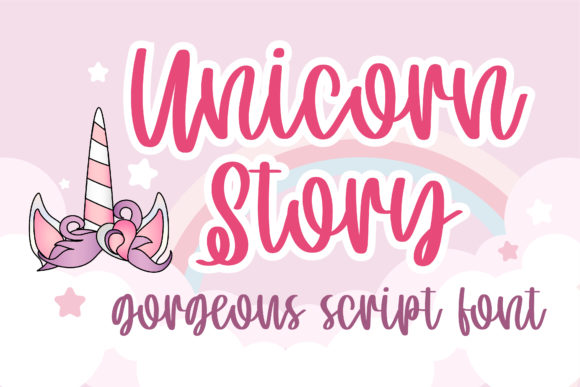
What makes Unicorn Story stand out in a sea of creative fonts? Its strength lies in its balanced personality. It avoids the overly casual, messy look of some handwritten fonts, which can undermine professionalism. At the same time, it sidesteps the rigid formality of classic calligraphy, which can feel distant. The result is a script font with smooth, flowing connections between letters, consistent stroke widths, and a gentle, organic rhythm. The letterforms are clear and distinct, which is crucial for a script font intended for more than just headlines. This clarity ensures it remains a functional display font without sacrificing its unique charm.
The overall appeal is one of approachable elegance. It feels personal, as if written by a friend with beautiful handwriting, yet it retains a level of polish that speaks to quality. This duality makes it an incredibly fitting design asset for projects that aim to connect on a human level while maintaining a professional standard. It’s a premium font that delivers real-world value because it solves a common design challenge: how to be both friendly and credible.
Practical Applications: Where Unicorn Story Truly Shines
Understanding a font’s personality is one thing; knowing where to apply it is another. The true test of any typeface is its versatility across different mediums. Unicorn Story excels in scenarios where warmth, authenticity, and a touch of whimsy are desired. Let’s break down some of its most effective applications.
In logo design and brand identity, particularly for businesses targeting families, women, or the lifestyle sector, this font can become a cornerstone. Think of a boutique bakery, a children’s clothing line, a wedding planner, or a wellness blog. Using Unicorn Story for the primary wordmark instantly communicates a brand’s values of care, creativity, and personal touch. Paired with a clean sans serif font for body copy, it creates a dynamic and readable font pairing that guides the viewer’s eye effectively.
For editorial design and packaging design, its utility is equally strong. A cookbook might use it for chapter titles to evoke a homemade, recipe-card feel. A cosmetic brand could feature it on packaging to suggest natural ingredients and artisanal quality. In publishing, it’s perfect for book covers in the romance, young adult, or cozy mystery genres, where the title needs to feel inviting and story-driven.
The digital realm offers vast opportunities. On web design, Unicorn Story can be used strategically for hero section quotes, call-to-action buttons, or special offer banners to draw attention without being abrasive. It’s a star in social media graphics. Instagram stories, Pinterest pins, and promotional posts benefit enormously from its photogenic quality. A quote card or a product feature using this font will stand out in a crowded feed, encouraging higher engagement because it feels more like a personal note than a corporate advertisement.
Mastering the Use: A Designer's Practical Guide
Adopting any new font into your workflow requires thoughtful consideration. Here’s how to integrate Unicorn Story effectively and avoid common pitfalls.
First, always evaluate project fit. Ask yourself: Does the project’s tone align with a sweet, friendly aesthetic? If you’re designing for a law firm or a fintech startup, this is likely not the right choice. But for a community initiative, a creative agency, or a personal brand, it could be perfect. Context is everything.
Next, test font pairings rigorously. The most successful designs using a script font employ a clear visual hierarchy. Unicorn Story works beautifully with geometric or humanist sans serif fonts. The contrast between the flowing script and the structured sans serif creates balance and ensures readability for longer text passages. Avoid pairing it with another ornate or overly stylistic font, as this will create visual chaos and dilute the message.
Pay close attention to readability considerations. While Unicorn Story is designed for clarity, it’s still a script. Use it for headlines, logos, pull quotes, and short bursts of text. For paragraphs, body copy, or critical instructions, always revert to a highly legible sans serif or serif font. Size matters too; ensure the font is large enough for its intended medium, especially on mobile screens.
Finally, understand the commercial licensing. As a premium font, Unicorn Story will come with a license that dictates how it can be used. Whether for a client’s logo design, a product line sold in stores, or a digital template for sale, you must ensure the license covers that specific use. Reputable font foundries are clear about this, and respecting licensing is a non-negotiable part of professional practice.
In the end, Unicorn Story is more than just a pretty set of letters. It’s a strategic tool for designers, marketers, and creators who want to inject a specific kind of energy into their work. It’s about choosing a typeface that tells a story, builds a connection, and does so with consistent, professional flair. When the project calls for a blend of imagination and reliability, this script font answers the call, proving that the right typography is indeed where the magic begins.